
Beyond the Default: Why the Pokdum Grape Is the Hero of Thai Tropical Viticulture

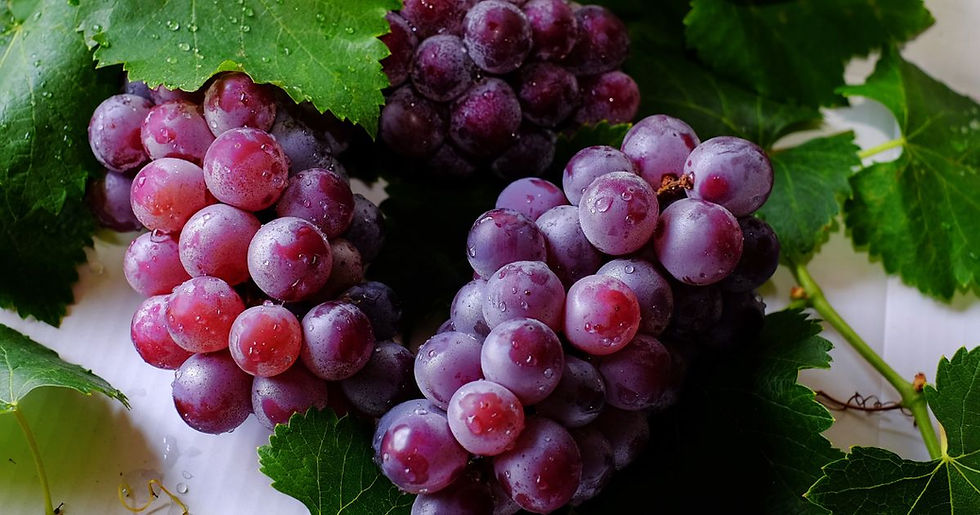
The Pokdum grape is Thailand's most important wine variety, and almost nobody outside the country has heard of it. That is changing.
Historically, the global wine industry was geographically locked into temperate climatic belts between 30° and 50° latitude, where cold winters allow vines to rest and store energy. Regions lacking a distinct thermal winter were considered incapable of sustaining commercial wine grape cultivation. Thailand sits entirely within the intertropical zone, which means its vines face unrelenting solar radiation and never naturally enter dormancy. Operating in a state of continuous metabolic activity, tropical vines exhaust themselves quickly if the wrong varieties are planted.
Pokdum is the right variety. It is the grape that makes Thai wine possible, and at Skugga Estate in Mae On, Chiang Mai, it is the foundation of the estate's developing wine programme.
The Jungle Mutation: Pokdum's Unique DNA
Pokdum was not developed in an agricultural laboratory. It is a spontaneous genetic mutation of the Black Queen grape, discovered in the 1980s by a Thai winemaker named Nong Pok in the Pak Chong district of Nakhon Ratchasima. The discovery was accidental. The implications for Thai viticulture proved significant.
Black Queen was originally engineered by Japanese researchers to create a robust grape capable of surviving freezing coastal climates. Because of that complex parentage, Pokdum carries DNA from three distinct botanical species, each contributing something essential for tropical growing conditions.
Vitis vinifera, the classic European wine grape, provides the flavour refinement and winemaking quality that makes the variety worth growing at all. Vitis labrusca, the North American vine, contributes structural resistance to the fungal pressures driven by monsoon humidity. Vitis lincecumii provides extreme heat tolerance, deep-rooting capability, and the vigour needed to sustain continuous growth through the Thai growing season.
No single-species European variety carries all three of these properties. Pokdum does, which is why it has become the defining grape of the Thai wine industry's emergence.

The Monsoon Problem and How Double Pruning Solves It
Pokdum's tri-species DNA makes it resilient, but it does not make it invulnerable. In Thailand's wet, humid monsoon months, the variety produces plump berries with soft skins that are highly susceptible to rupturing and fungal infection, particularly Botrytis bunch rot. Left unmanaged, a monsoon-season crop would be largely lost.
The response from Thai viticulturists is to abandon European growing methodologies entirely and use a system called Double Pruning, which mechanically forces the vine through two distinct cycles per year.
The first pruning happens before the monsoon arrives. A hard cut strips the canes and forces the vine to grow an aggressive leaf canopy during the rainy season, collecting solar energy and rebuilding its carbohydrate reserves in the permanent wood. No fruit is allowed to develop during this period. The vine is in recovery mode.
The second pruning happens in September or October, as the monsoon subsides. This cut acts as an artificial trigger for the fruiting cycle, resetting the vine's reproductive clock and aligning the entire fruit-bearing season with the cool, dry months that follow.
The result is that Pokdum's grapes ripen from November through February, the coolest and driest window in the Thai agricultural calendar. Fungal pressure drops dramatically, sunlight is consistent, and the diurnal temperature swings of the highland dry season allow the fruit to develop acidity alongside sugar. The system is labour-intensive and requires precise timing, but it is what makes quality tropical winemaking viable.
At Skugga Estate, this approach mirrors the broader tropical viticulture principles the estate uses across its growing programme, combining cycle management with intensive canopy work to protect fruit quality through the monsoon.
The Skugga Difference: Highland Volcanic Permaculture
Climate dictates how the vines are farmed. Soil dictates the character of the wine they produce.
The terroir at Skugga Estate in Mae On differs fundamentally from the heavy clay soils found across Thailand's central plains. The estate sits on sloping topography with a geological base that is partly volcanic and magmatic in origin. Volcanic soils drain quickly and carry low natural fertility, creating a stressful growing environment that forces the vine's root system deep into the bedrock rather than spreading laterally near the surface. That root stress restricts canopy growth and limits berry expansion, concentrating flavour in smaller, more intensely flavoured fruit.
What distinguishes Mae On specifically is that this volcanic base is blanketed by centuries of highland forest leaf litter, creating a complex living soil ecosystem. Skugga's approach to farming this ground follows regenerative permaculture design principles. Mechanical tilling is prohibited. Vines are planted along contour lines on the hillside to slow water movement and allow monsoon rainfall to percolate deeply into the volcanic substrate rather than running off and eroding the topsoil. The microbial communities in the soil are treated as a farming asset, not a variable to be neutralised with chemical inputs.
This approach is slower and more demanding than conventional viticulture, but it is what allows the volcanic terroir of Mae On to express itself in the fruit rather than being overridden by synthetic interventions. The estate's permaculture farming philosophy extends across the cacao and coffee programmes as well, making the growing approach consistent across every crop on the property.
What Pokdum Tastes Like
When the farming works, Pokdum produces a wine with a character that is genuinely its own, not an approximation of a European style.
The soft skins allow winemakers to extract brilliant ruby colour and bright fruit character without pulling the harsh, astringent tannins that a longer maceration on thicker-skinned varieties would produce. The result is a medium-bodied wine with a fresh, accessible profile: vibrant strawberry, ripe dark plum, and red cherry on the palate, with a firm natural acidity that provides structure without austerity.
On volcanic substrate, that acidity takes on additional tension. As the wine opens, Pokdum from Mae On-style terroir often develops secondary notes including a faint mineral smokiness and a savoury, earthy undertone that reflects the geological character of the soil. It is a wine that tastes like where it came from.
That combination of bright red fruit, natural acidity, and soft texture also makes Pokdum one of the most food-compatible red varieties in Southeast Asia. The freshness cuts through the fat and heat of Thai cuisine in a way that heavier, more tannic European reds cannot. It is not competing with Pinot Noir or Gamay. It is doing something those varieties cannot do in this climate and with this food.
Skugga Estate's wine programme is still developing as the vines planted in 2025 mature. In the meantime, the estate offers a curated wine selection alongside its fine dining and tasting experiences, chosen to reflect the style the team is working toward.
To book a visit or wine tasting, contact the estate at vineyard@skuggalife.com or call +66 81 146 2652.
Frequently Asked Questions
What is the Pokdum grape? Pokdum is a Thai wine grape variety that emerged as a spontaneous genetic mutation of the Black Queen grape, discovered in the 1980s in Pak Chong district, Thailand. It carries DNA from three vine species: Vitis vinifera for wine quality, Vitis labrusca for fungal resistance, and Vitis lincecumii for heat tolerance and vigour. This tri-species heritage makes it uniquely suited to tropical growing conditions.
Where does the Pokdum grape grow in Thailand? Pokdum is grown across several Thai wine regions, including Pak Chong in Nakhon Ratchasima, Khao Yai, and increasingly in highland areas of northern Thailand. Skugga Estate in Mae On, Chiang Mai, is developing a wine programme using Pokdum suited to the specific volcanic, highland microclimate of the Mae On district.
What does Pokdum wine taste like? Pokdum typically produces a medium-bodied red wine with vibrant notes of fresh strawberry, ripe dark plum, and red cherry, supported by a firm natural acidity. On volcanic soils, the wine often develops secondary mineral and savoury notes. Its soft tannin structure and natural freshness make it an excellent match for Thai cuisine.
How is Pokdum farmed differently from European wine grapes? Pokdum requires a Double Pruning system to thrive in tropical conditions. The first pruning, timed before the monsoon, forces vegetative recovery during the wet season. The second pruning in September or October triggers the fruiting cycle and aligns the harvest with the cool dry season from November to February. Elevated trellising systems are also used to improve airflow and reduce fungal pressure on the soft-skinned berries.
Is Skugga Estate currently producing Pokdum wine? Skugga Estate planted its vineyard in 2025 and the wine programme is still developing as the vines mature. The estate currently offers a curated wine selection alongside its fine dining and tasting experiences.
Contact the team at vineyard@skuggalife.com to arrange a visit.


Comments